
What If We’ve Been Talking About Confidence All Wrong?
We ask people to be confident all the time: speak up in the meeting, take the risk, apply for the job, raise your hand, walk into the room like you belong there. But what happens when you don't actually feel it?
That's the question psychologist and New York Times bestselling author Dr. Marisa G. Franco is exploring in her new book, WORTH: The New Science of Self-Esteem and Secure Attachment.
After changing the way many of us think about friendship and connection with Platonic, Marisa is turning her attention inward, and her research suggests we may need to rethink some of what we've been taught about confidence.
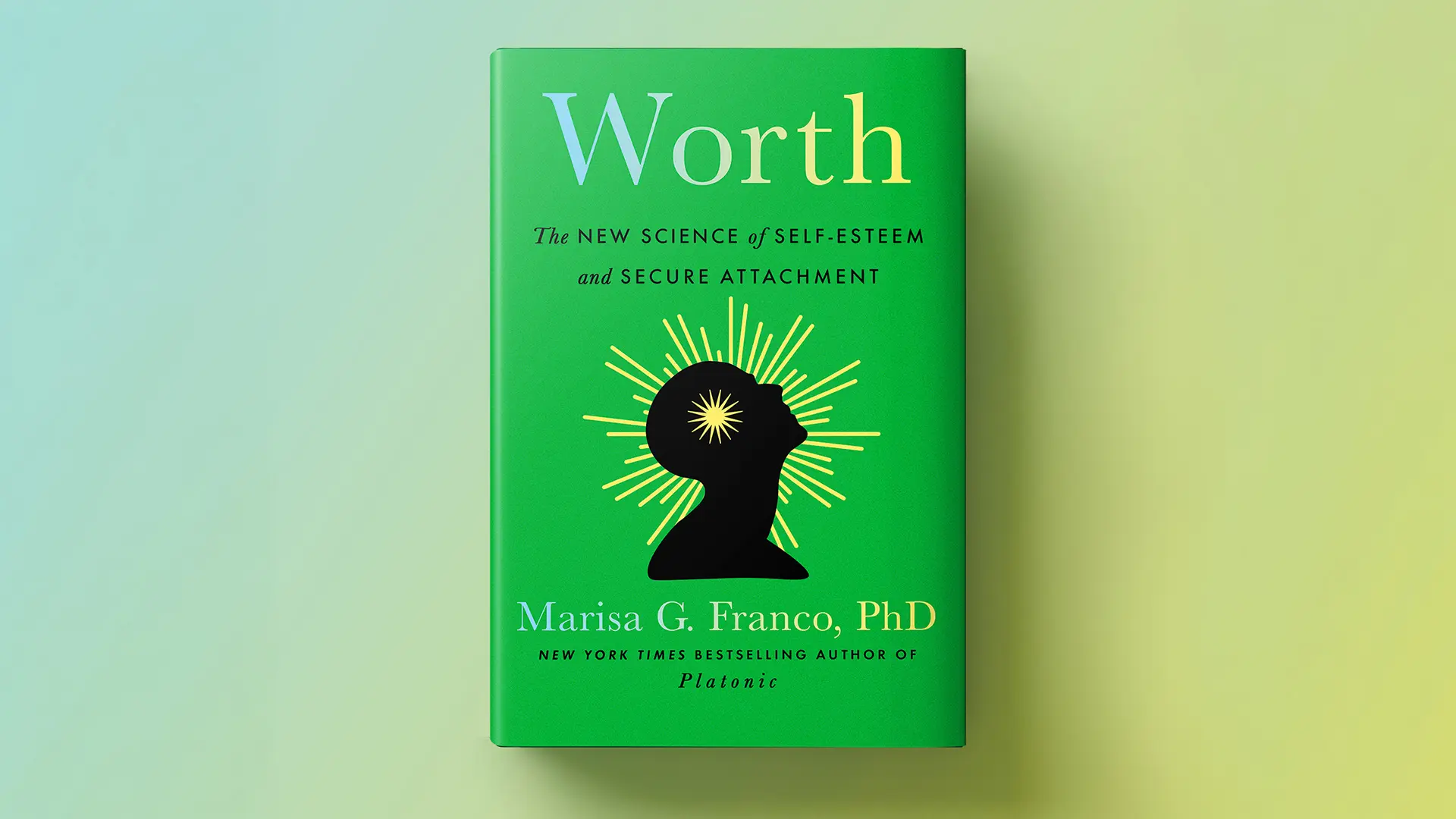
Self-esteem isn't just something you have.
We tend to treat confidence like a personality trait. Some people walk into a room with it, while others need to work on it. The reality is more nuanced. In WORTH, Marisa explores self-esteem through the science of attachment and shows that a more secure sense of self can be learned.
Our sense of worth also follows us to work. It affects whether we share an idea before we're certain everyone will like it, how we receive feedback, how we recover from rejection, whether we ask for what we need, how we navigate conflict, and even how we lead and connect with other people.
It follows students onto campus, too, where nearly everything can feel like a measurement: grades, internships, applications, friendships, relationships, followers, job offers, and the inevitable what are you doing after graduation?
There are a lot of ways to start confusing achievement, approval, and attention with worth.
What does that mean for the workplace?

For organizations, Marisa takes the research behind WORTH beyond personal development and into the way people work together. In her keynote Worth and Belonging: How to Build Self-Worth to Foster Belonging at Work, she explores how our relationship with ourselves shapes the way we connect, lead, build trust, and create cultures where people feel seen and valued. Audiences leave with a deeper understanding of the relationship between self-worth and belonging, how identity and personal narratives influence relationships and leadership, and practical ways to cultivate the kind of self-worth that strengthens connection at work.
Her second new keynote, Self-Worth at Work: The Key to Resilience in Times of Change, takes on another reality organizations know well right now: things keep changing. AI. Remote work. Layoffs. New expectations. New roles. Rather than asking people to simply "be resilient," Marisa explores how tying our worth too tightly to a title, achievement, or fixed identity can actually make change harder. She gives audiences practical tools for staying grounded and adaptable without losing their sense of self along the way.
And what about for students?
College is practically designed around becoming someone, which makes it a particularly interesting time to talk about being secure in who you already are. As a professor herself, Marisa understands this audience. Her student programming brings together the science of friendship, community, connection, and belonging with practical strategies students can use in their actual lives.
She can explore why students feel lonely even when surrounded by people, how to build meaningful friendships, how to network authentically, how technology can foster rather than replace connection, and how students from marginalized communities can find belonging. Put that alongside the ideas in WORTH and there's an important question for students underneath it all:
What happens when your sense of worth isn't entirely dependent on the grade, the internship, the relationship, the likes, or what happens next?
Maybe we need a different conversation about confidence.
Organizations have spent years talking about confidence, belonging, connection, resilience, and psychological safety. Colleges are grappling with many of those same questions while helping students build relationships, navigate transitions, and figure out who they are. Marisa's work gets underneath all of it.
Not: How do we make people more confident?
But: What allows someone to feel secure enough in themselves to connect, contribute, adapt, and belong?
That's a much more important and useful conversation worth having.
Explore Marisa's Speaking Topics
Worth and Belonging: How to Build Self-Worth to Foster Belonging at Work
A research-backed look at how self-worth shapes connection, leadership, trust, and belonging, with practical strategies for creating stronger workplace cultures.
Self-Worth at Work: The Key to Resilience in Times of Change
How employees can stay grounded, adaptable, and engaged through uncertainty without tying their worth to titles, performance, or a fixed sense of identity.
Strengthening Social Connection, Community, and Collaboration...And Why It Matters
The science behind connection and why stronger relationships make individuals and communities more resilient, with practical strategies for building collaboration, community, and friendship.
Belonging at Work: How Community Drives Engagement and Retention
An interactive exploration of workplace relationships, authenticity, engagement, cross-generational connection, and building trust across virtual and distributed teams.
Supporting Student Mental Health Through Community and Friendships
Designed for students and those who support them, this program explores loneliness, friendship, authentic networking, technology, belonging, and how meaningful relationships can support student well-being.
Interested in bringing Marisa to your organization, conference, or campus? Email us about your audience and what you're trying to accomplish. We'll help you determine the right topic.

About the Author/Speaker:
Dr. Marisa G. Franco is a psychologist, professor, speaker, and New York Times bestselling author of Platonic. Her new book, WORTH: The New Science of Self-Esteem and Secure Attachment, explores the science of self-esteem and how we can develop a more secure sense of self.