Bridge divides through courage, curiosity and challenging conversations.
Daryl Davis
RENOWNED ROCK/BLUES MUSICIAN
CONFLICT NAVIGATOR & UNIFIER
AUTHOR
SPEAKING FEE: $15,000 - $20,000
Meet Daryl
Renowned blue musician - for 32 years played piano for Chuck Berry
40-year journey to engage KKK leaders and white supremacists to break racial barriers
Empowers people to use conversation to defuse conflict and build bridges
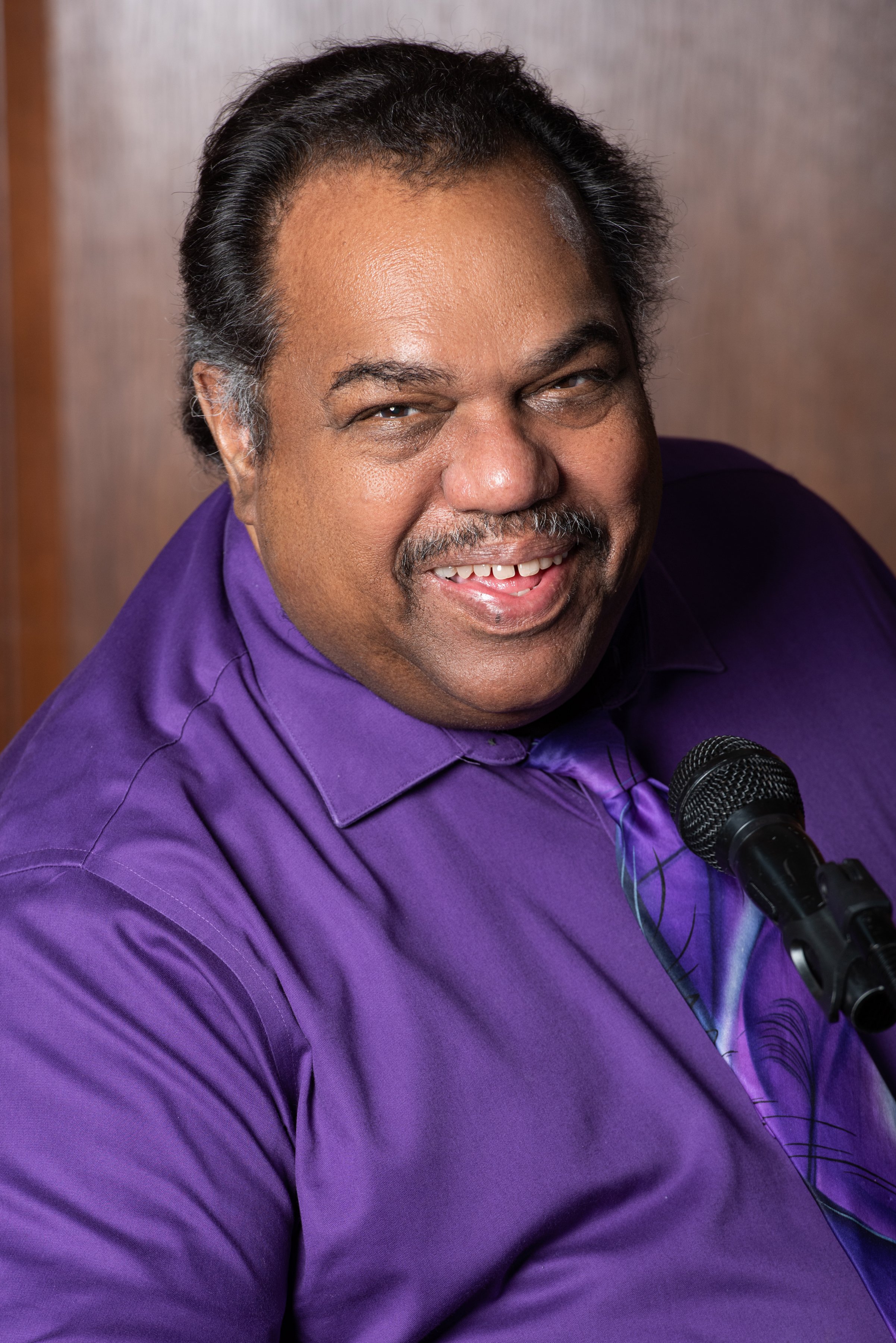
Daryl Davis is a renowned blues and rock musician who’s toured the world playing with musical legends, including 32 years as Chuck Berry’s piano player. That’s his profession. But Daryl also has a unique obsession: Using civil conversation to ignite positive change with people who hate him because he’s Black – members of the Ku Klux Klan and other White supremacist groups.
Encountering racism firsthand at ten years old, Daryl wondered, “How can they hate me when they don’t even know me?” Daryl started meeting his detractors in person over 40 years ago to have a patient conversation about their beliefs. Through active listening and not looking to change their minds, an amazing thing happened: Many conversations led to understanding and genuine friendships. In some cases, KKK leaders disavowed their old beliefs and gave Daryl their robes and hoods.
The average person may never face these kinds of extreme conversations, but Daryl empowers people with personal stories and practical ways to build bridges at work, at home, and in their community – one conversation at a time. Daryl’s work is chronicled in his book Klan-Destine Relationships and the documentary Accidental Courtesy. Daryl’s TEDx talk has nearly 13 million views.
Daryl has been doing this work since 1983 and has become the recipient of numerous Klan robes & hoods and other racist symbols, given to him by people who once hated him when they didn't even know him. Now many of them have become his friends and supporters of his work. On the other side of spectrum, for his work in bridging race relations he is the recipient of numerous awards such as the American Ethical Union's prestigious Elliott-Black Award, Carnegie-Mellon's Carl Sagan Award & Prize, Tribeca Disruption Innovation Award, MLK Award, Search for Common Ground Award, Washington Ethical Society Bridge-Builder Award, among many others. He is often sought for commentary by CNN, MSNBC, ABC News, Newsweek, The Washington Post, The Atlantic, People magazine, and many other media sources.
Daryl graduated from Howard University with his Bachelor of Music Degree. He also holds an Honorary Doctorate in Humane Letters from Post University for the unique work he has done in the field of race relations. He has performed extensively with Chuck Berry, The Legendary Blues Band (formerly The Muddy Waters Blues Band), and many others. While music is his profession, improving race relations is his obsession. He is known to many as “The Rock'n'Roll Race Reconciliator.”
SPEAKING TOPICS
-
Conflict is unavoidable in everyday life – it’s how we react to it that matters. Maybe you’re a manager trying to defuse tension among employees…your co-worker doesn’t share your beliefs or background…or you have a long-simmering disagreement with a family member or neighbor. The one thing all conflict has in common – nothing gets solved until the opposing sides talk about it. In his presentation, Daryl Davis empowers people with a universal tool kit to resolve conflict at work, at home, and in the community – one conversation at a time. The average person may never face the kinds of extreme experiences Daryl has had, but his lessons serve as great examples of the positive change that can happen when people have the courage to listen to one another without trying to change each other’s minds.
What audiences learn:
• Apply universal tools to create positive change wherever conflict or disagreement exists.
• Preparation/Empathy: Understand the other person’s position and reasoning before you engage.
• You needn’t respect what people say but you must respect their right to say it.
• Learn to listen, understand, and keep emotions in check, even in incendiary
situations.
• How to recover/repair/strengthen a relationship with a co-worker, client, friend, or family member. -
Daryl Davis draws on 40+ years of engaging KKK and far-right White supremacist groups to unpack why hate crimes and rhetoric are on the rise. The daily headlines are troubling, but Daryl reminds audiences hate is learned – and what is learned can be unlearned. He encourages people to engage and educate, not shun and cancel, those with toxic beliefs, and he shows them how. “Ignorance breeds fear, fear breeds hate, and hate breeds destruction. Engaging and finding common ground is the key to defusing fear.” As a musician, Daryl promotes harmony over discord, and believes we can all play a part in making positive change by meeting hate with civility and building bridges instead of walls. “There’s only one race,” he says, “the human race.”
What audiences learn:
• How fear drives hate and engagement overcomes it.
• The key to changing another’s reality through perception.
• Ways to overcome one’s own prejudices, biases, and fears.
• How one person can make a world of positive difference.
• How to navigate a world of ever-growing diversity. -
At its inception, Rock ’n’ Roll was called “the devil’s music” among many derogatory names by its detractors. Some cities banned it altogether. Rooted in Black R&B and Blues, its infectious beat led young people in the South to leap over the rope that segregated Whites from Blacks in the audience. The 1957, Chuck Berry lyric, “Hail, hail Rock’n’Roll, deliver me from the days of old,” in his hit song School Days, celebrated the music as a turning point in race relations. Daryl brings that history forward into his own story, using music as a common denominator and proving that musical and racial harmony go hand-in-hand.
What audiences learn:
• How musical inspiration differs from musical appropriation.
• The Elvis conundrum: How he was crowned King of a genre he didn’t create.
• How Country and Blues are the same music, and why society separates them.
• How a Black musical genre improved race relations and elected a Black president.
• Why music is a cultural necessity and not a luxury.