Challenge systemic injustice to build thriving education systems.
José Vilson
EXECUTIVE DIRECTOR, EDUCOLOR
AWARD-WINNING EDUCATOR
EDUCATION EQUITY ACTIVIST
SPEAKING FEE: $7,500 - $10,000
EXCLUSIVE
Meet José
Co-founder and executive director of EduColor, a leading resource for race and social justice education issues
TheJoseVilson.com widely recognized as one of the top education blogs
Enhances academic learning by centering belonging in the classroom
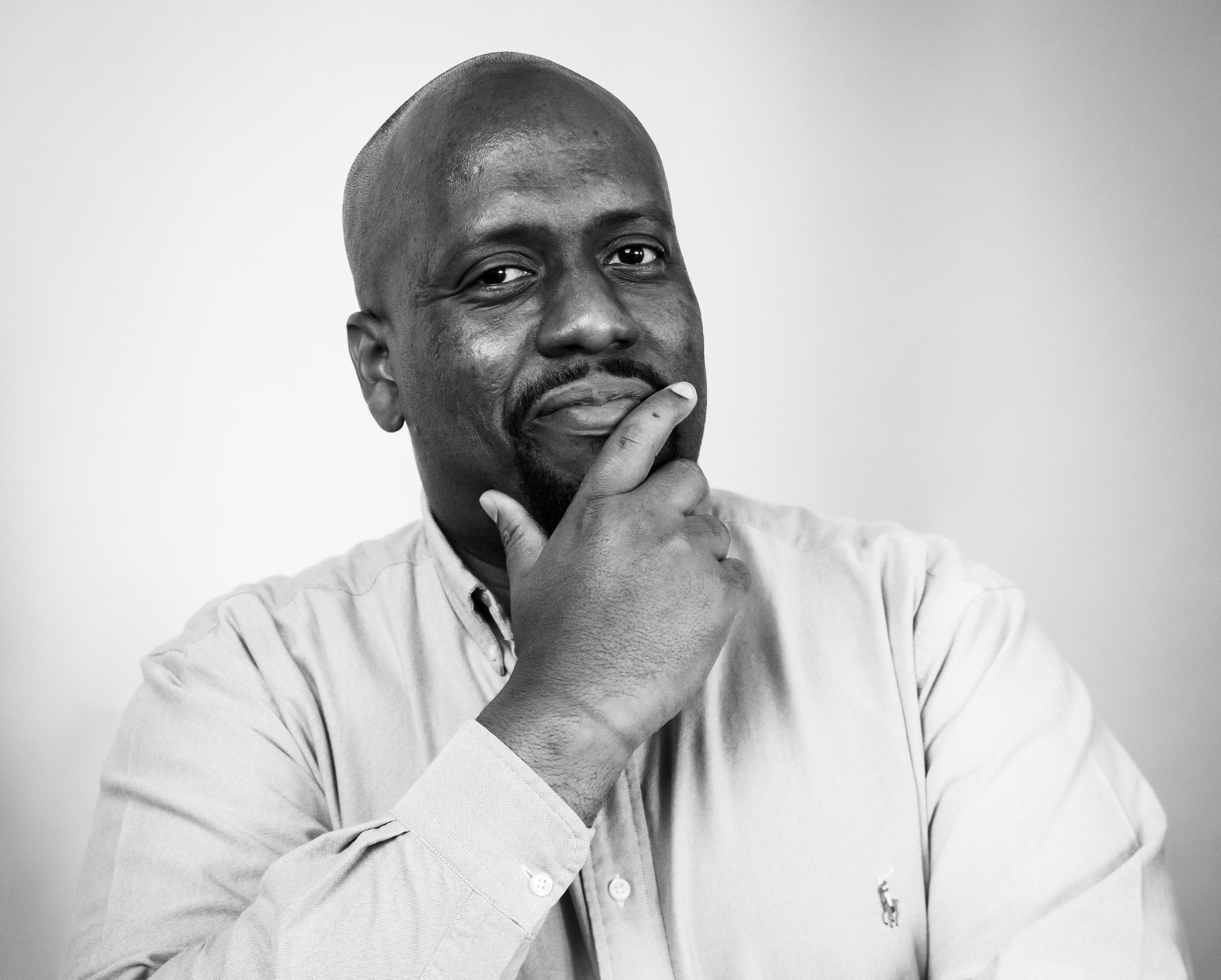
José Luis Vilson is a sociologist, educator, and author in New York City, NY. He graduated with a doctoral degree in sociology and education with a policy concentration from Teachers College, Columbia University. He is the executive director and co-founder of EduColor, an organization dedicated to building and supporting communities of educators of color. He currently works as a postdoctoral research associate at Bank Street College of Education and an adjunct associate professor at Teachers College, Columbia University.
He wrote the best-selling book This Is Not A Test: A New Narrative on Race, Class, and Education, and has written for multiple publications including The New York Times, The Guardian, and The Atlantic. He speaks about education, math, and race for a number of organizations including TED, American Education Research Association, National Council of Teachers of Mathematics, and National Council of Teachers of English. He serves on the board of directors for the National Board of Professional Teaching Standards and PowerMyLearning. He is also a special advisor for Teachers Unify against Gun Violence. In 2025, he has also been named a New America Fellow.
He is currently working on two other publications including You Already Know: Connecting Student Knowledge to Mathematical Understanding through Heinemann Books. He co-authored the book Teaching 2030: What We Must Do For Our Students and Public Schools … Now and In The Future with Dr. Barnett Berry and 11 other accomplished teachers, and profiled in two other books: Teacherpreneurs (Berry, Byrd, Weider; 2013) and Teaching with Heart (Scribner, Intrator; 2014).
He was named one of GOOD Inc.’s GOOD100 in 2013 of leaders changing their worlds and an Aspen Ideas Scholar in 2013. His blog, TheJoseVilson.com, was named one of the top 25 Education Blogs by Scholastic, Education World, and University of Southern California Rossier School of Education’s Teach 100.
SPEAKING TOPICS
-
How do we create classrooms that reflect our biggest visions for how we want society to be? One of the biggest questions centers on notions of belonging as a critical part of student learning and paths towards success. During the pandemic, school buildings were not open, but as a society, we still made sure that schooling still happened, which shows just how important schooling is to the way society functions. Even as we're recalling this, we must continue to cultivate curiosity and innovation in and out of the classroom (as you said) through lessons of inclusivity and belonging so they can use them whether they're in our educational institutions or not. Now, we have a bigger societal responsibility to make our schools the spaces we want our students to go to, especially in the moment we’re in. In this talk, educator José Vilson calls for the reclaiming of the education profession while seeking social justice, as he discusses the intersection of race, class and America’s education system. Audiences will dive into the experiences of America’s emerging majority—students of different languages, cultures and colors—who too often are failed by systems ill-equipped to foster their success. He also addresses socio-emotional learning as a necessary component to ensuring a thriving classroom environment with belonging in mind. Audiences will learn how, by putting the teacher’s voice at the forefront of the conversation, the promise of public education can be restored.
-
Recently, there has been a larger discussion about the recruitment and retention of teachers, particularly teachers of color. Since COVID-19, America has had opportunities to rethink the teaching profession and learning/working conditions in schools. However, America is having a hard time recruiting and retaining educators, and the pandemic only exacerbated the pre-existing problem. From a sociological perspective, one of the ways we can think about this issue is by understanding classrooms as sites for governance and policy creation. In this presentation, educator José Vilson takes us through a vision for how notions of student voice, pedagogy, and assessment can put classrooms and schools down a path towards stronger notions of democracy and unity. He also lays out how inquiry, critical thinking, and culturally responsive classroom practices can cultivate great learning communities. In this talk, the audience will learn approaches to pedagogy and policy that seek to address ways to build culturally responsive classrooms, and why we have opportunities for hope despite the turmoil.
-
Drawing on his years of experience as a middle school mathematics teacher for over 1000 students through 15 years, José Vilson takes us on a journey using math as a lens for addressing social justice issues. While some argue that STEM-related topics should remain neutral, this presentation shows clearly how math, as a set of concepts, can help us understand the most pernicious issues of our day. He will ask the audience to not only push past the narrative of what a good math student looks like, but also what a good math teacher looks like as a paradigm to the underlying societal issues related to equitable representation and access to jobs in STEM.


FEATURED MEDIA