
We Decoded the Human Genome. Now We’re Rewriting Intelligence. Are We Ready?
Yesterday, the scientific community lost one of its most consequential figures: J. Craig Venter, the geneticist who helped decode the human genome and reshape how we understand life itself. Venter didn’t just map our DNA. He challenged the idea that biology is destiny—pushing forward a future where data, environment, and human intervention shape who we become.
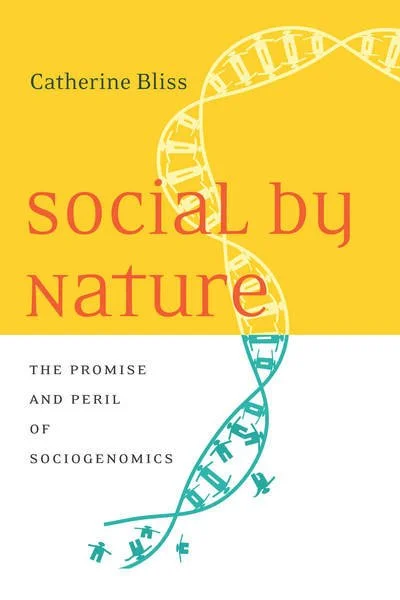
That idea sits at the core of Dr. Rina Bliss’s work. In Social by Nature, Bliss argues that our genes do not operate in isolation. They respond, adapt, and even express differently based on the environments we build—socially, culturally, and technologically. In other words, biology is not fixed. It’s constantly in conversation with the world around us.
That insight feels especially urgent right now. Because today, the “environment” shaping human development isn’t just physical or social—it’s increasingly artificial.
From Genome to Algorithm
Venter’s work helped us understand the code of life. Today, AI is attempting something parallel: decoding and influencing human thought, behavior, and decision-making at scale. Where genomics revealed complexity, nuance, and interdependence, AI is often deployed for speed, efficiency, and scale with far less regard for downstream consequences.
We’re already seeing the cracks:
Environmental cost: AI systems require enormous computational power, driving energy consumption that is quietly inflating institutional and municipal energy demands.
Financial strain: Adopting AI at scale means citizens are absorbing rising energy costs, often without long-term strategy from local city councils to alleviate this burden that was produced through agreements with private utilities.
Cognitive impact: Over-reliance on AI tools is beginning to erode critical thinking, writing ability, and intellectual resilience—particularly among students.
Misinformation and mental health: Large language models can generate confident but incorrect or harmful outputs, contributing to confusion, anxiety, and in extreme cases, dangerous decision-making.
This is a pattern that mirrors what genomics has already taught us: systems are interconnected, and unintended consequences are inevitable when we oversimplify complexity.
What Rina Bliss Gets Right
Bliss’s work offers a necessary corrective. If genes are shaped by environment, then so are minds. And if AI is now part of that environment, then we have to ask better questions:
What kind of intellectual habits are we reinforcing?
What cognitive “shortcuts” are becoming permanent?
Who benefits and who is left more vulnerable?
Bliss doesn’t argue against technology. She argues against passive adoption. Her research emphasizes agency—the idea that we can actively shape the environments that shape us.
A More Thoughtful Path Forward
Venter himself understood the ethical weight of scientific progress. Even as he pioneered synthetic biology, he warned against assuming we fully understand the systems we’re manipulating. That restraint feels largely absent in today’s AI race. The opportunity now, especially in higher education, is not just to adopt AI, but to teach discernment around it:
How to use it without outsourcing thinking
How to question its outputs
How to understand its limitations and biases
How to weigh innovation against human cost
Because if genomics taught us anything, it’s this: You don’t get to control outcomes if you ignore the system.
The Real Question
We’ve spent decades trying to decode what makes us human. Now we’re building systems that may reshape it. The question isn’t whether AI will change intelligence. It already is. The question is whether we’ll shape that change deliberately or let it shape us.
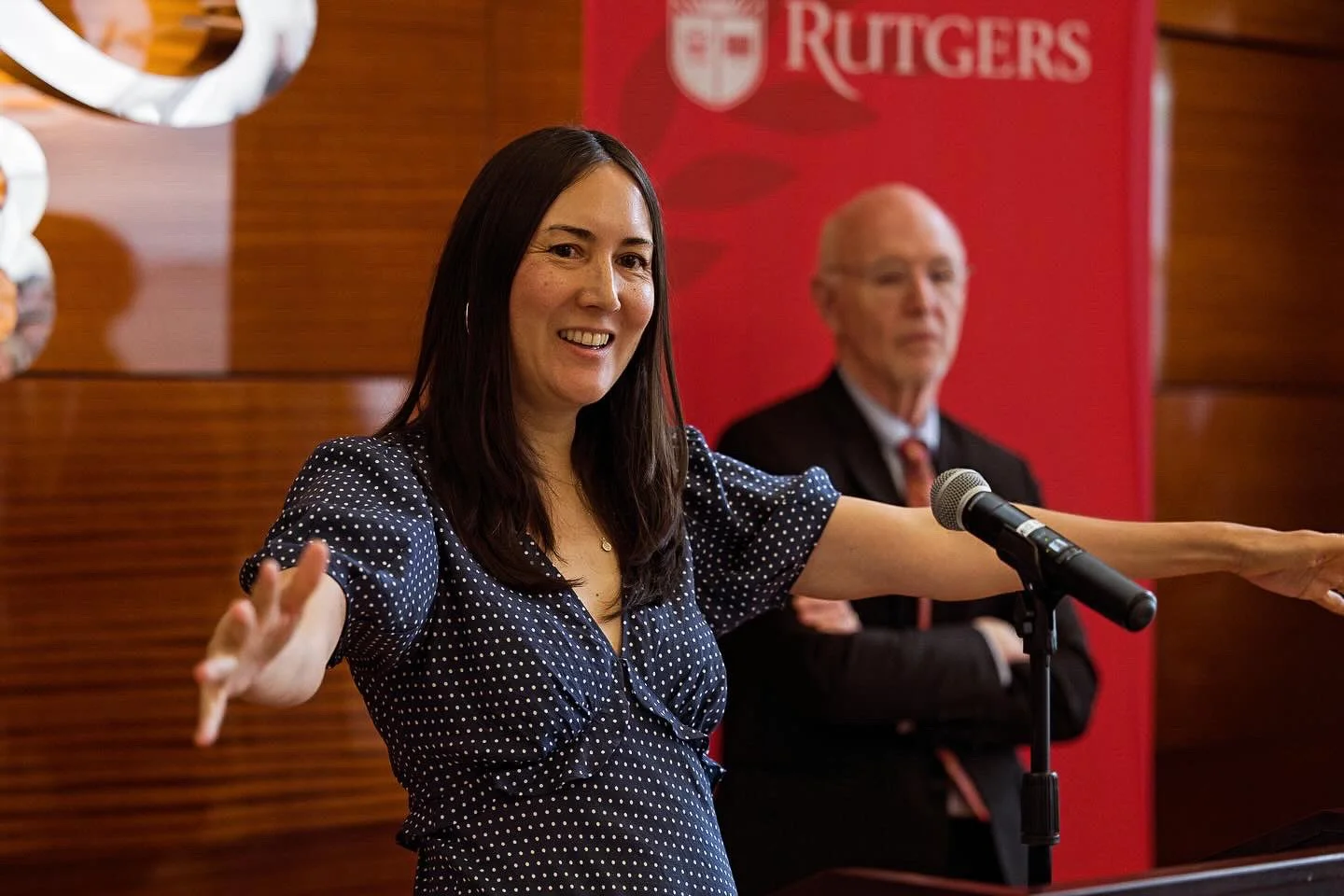
Bliss brings these questions off the page and into the room as a keynote speaker, helping audiences grapple in real time with how AI is reshaping the environments that shape us.
Check out Rina’s topics that dive deeper into these conversations:
1. Nurture Your Intelligence: Elevate Your Thinking to Optimize Potential
Building on the idea that intelligence is shaped, not fixed, this talk challenges audiences to rethink how their daily environments, including AI, are influencing how they think, learn, and make decisions. Bliss offers a practical framework for strengthening critical thinking in a world that increasingly encourages cognitive shortcuts.
2. Using AI and Emerging Technologies Responsibly: A Case for Purposeful Implementation
As AI becomes embedded in education and everyday life, this talk pushes beyond adoption to ask harder questions about impact on cognition, equity, and long-term human development. Bliss equips audiences to approach AI with intention, balancing innovation with a clear understanding of its broader consequences.