
Three Programming Shifts That Make Events More Engaging and More Memorable
Whether you are planning a conference, leadership summit, customer event, or annual meeting, most agendas are built with the same intention: deliver value, share ideas, and bring people together.
The challenge is that attention is harder to hold than it used to be. The sessions that tend to stay with audiences are not always the most content-heavy. They are the ones that feel conversational, participatory, and personally relevant.
Here are three programming shifts that help create those moments. Each can be implemented with your internal team or expanded with external partners depending on your goals.
1. Design conversations, not just presentations
Audiences respond to dialogue. A strong conversation creates space for curiosity, storytelling, and perspective in a way traditional presentations rarely do.
This can take many forms. An executive interview on stage. A moderated fireside chat. A keynote speaker in conversation with a peer or customer. Even a structured Q&A that prioritizes depth over polish.
The format matters less than the intention. When leaders speak with, rather than at, an audience, engagement increases and the content becomes more human and memorable.
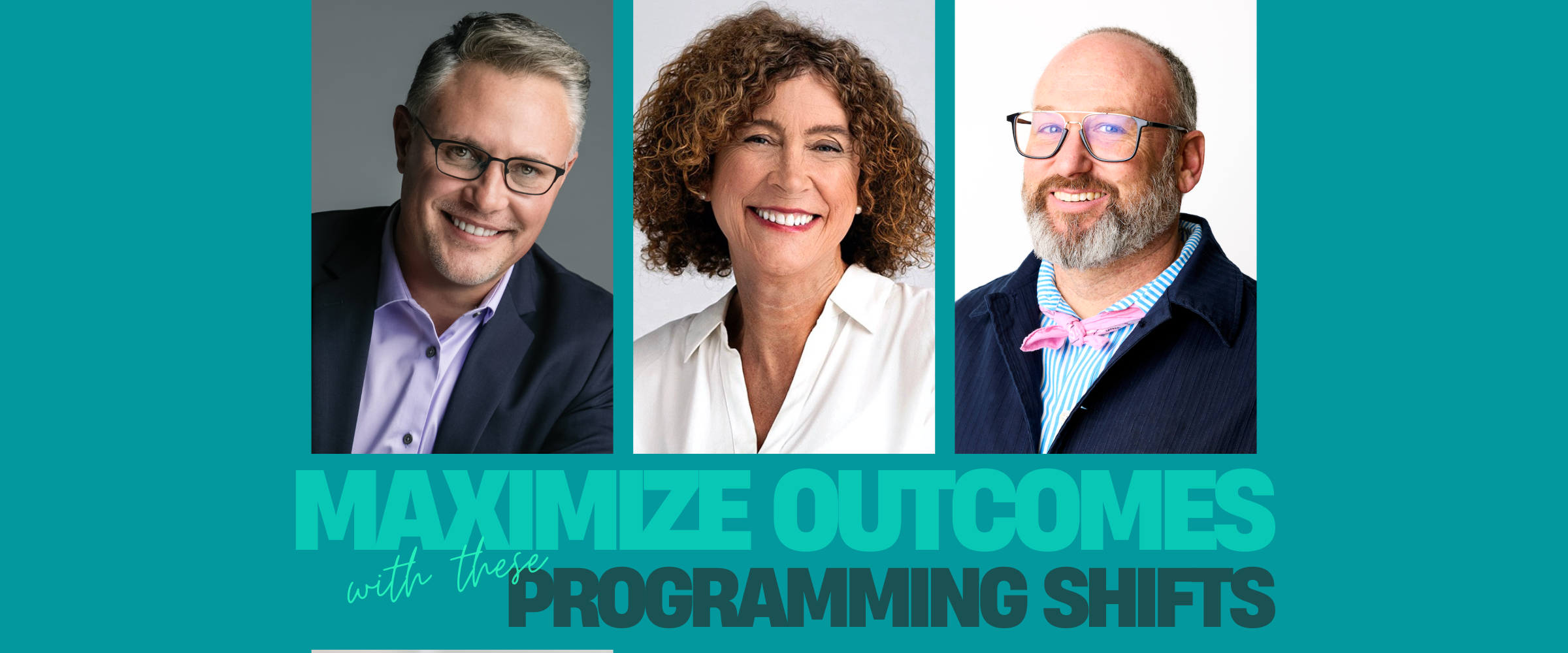
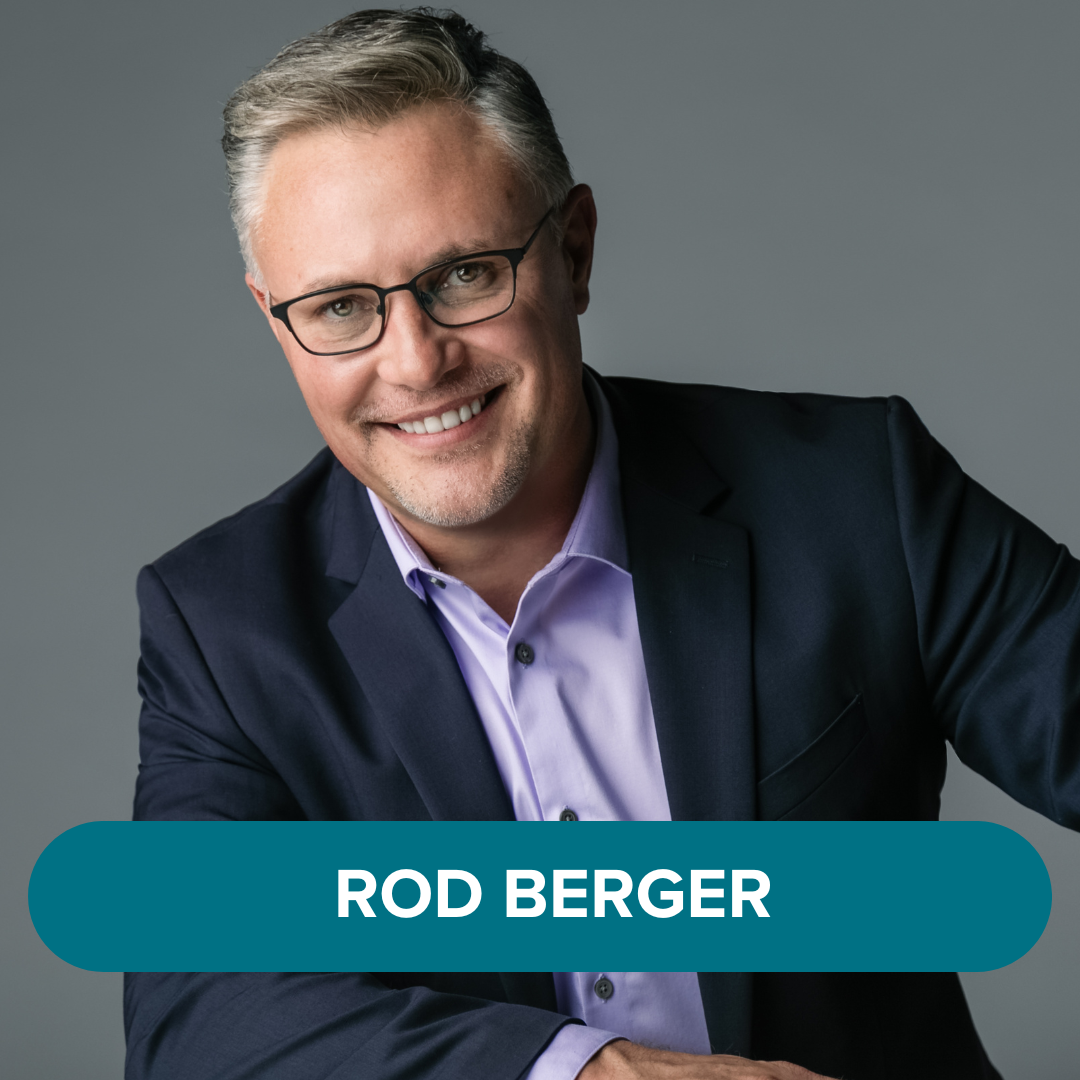
For organizations looking to elevate this format, Rod Berger is known for his ability to lead deeply engaging executive interviews. A former Forbes contributor and author of The Narrative Edge, he has conducted more than 4,000 interviews with global leaders including CEOs, cultural icons, and world figures. His work focuses on drawing out the story behind the role, helping audiences connect more directly with the person on stage.
2. Build programming that continues after the event

Many events generate strong conversations that end when the room clears. There is growing value in designing sessions that extend beyond the live experience.
One approach is to structure a session as a live podcast recording. This creates a dynamic audience experience while also producing content that can be reused across internal communications, marketing, or member engagement.
The planning question shifts from “What happens in this session?” to “Where will this content live afterward?”
Josh Levine, workplace culture strategist and author of Great Mondays, brings this format to life through live podcast conversations with executives, industry leaders, and internal teams. The result is a session that engages attendees in real time while creating usable content long after the event ends.
3. Invest in your internal speakers
Some of the most influential moments at any event come from internal voices. Executives, subject matter experts, and organizational leaders often shape how the entire experience is perceived.
Yet these speakers are frequently the least prepared in terms of storytelling, presence, and delivery.
Small investments in coaching, rehearsal, and message clarity can significantly improve impact. Stronger internal presentations also increase audience trust and reinforce organizational credibility.
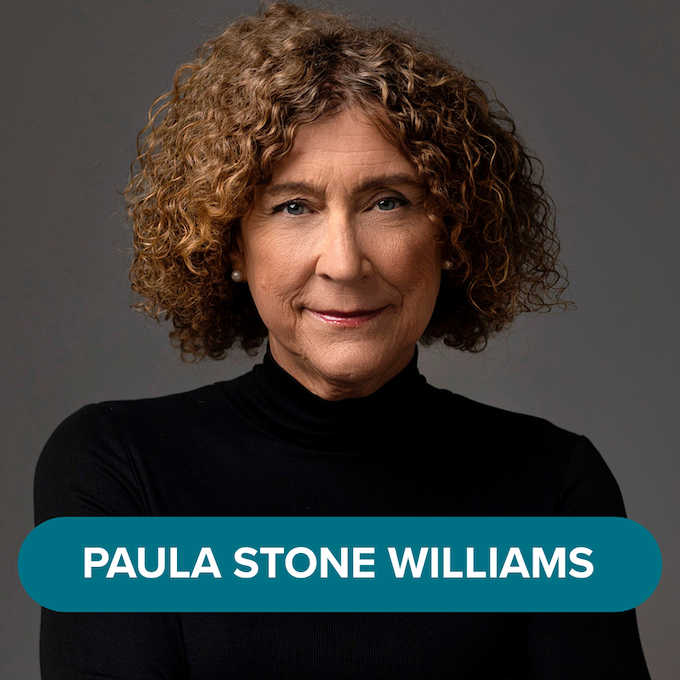
Paula Stone Williams specializes in helping leaders communicate with clarity and authenticity. Her executive presentation coaching supports speakers preparing for conferences, company meetings, and public-facing moments where communication quality directly affects perception and impact.
A simple planning question
Before finalizing your agenda, ask: What will attendees still be talking about after the event ends?
That answer often points directly to where programming can be strengthened. It may be a conversation format. It may be a piece of content that continues beyond the room. It may be a speaker who is better supported before stepping on stage.
The strongest events are not necessarily larger. They are more intentional about the moments people carry with them.