Unlock human potential through enriched environments.
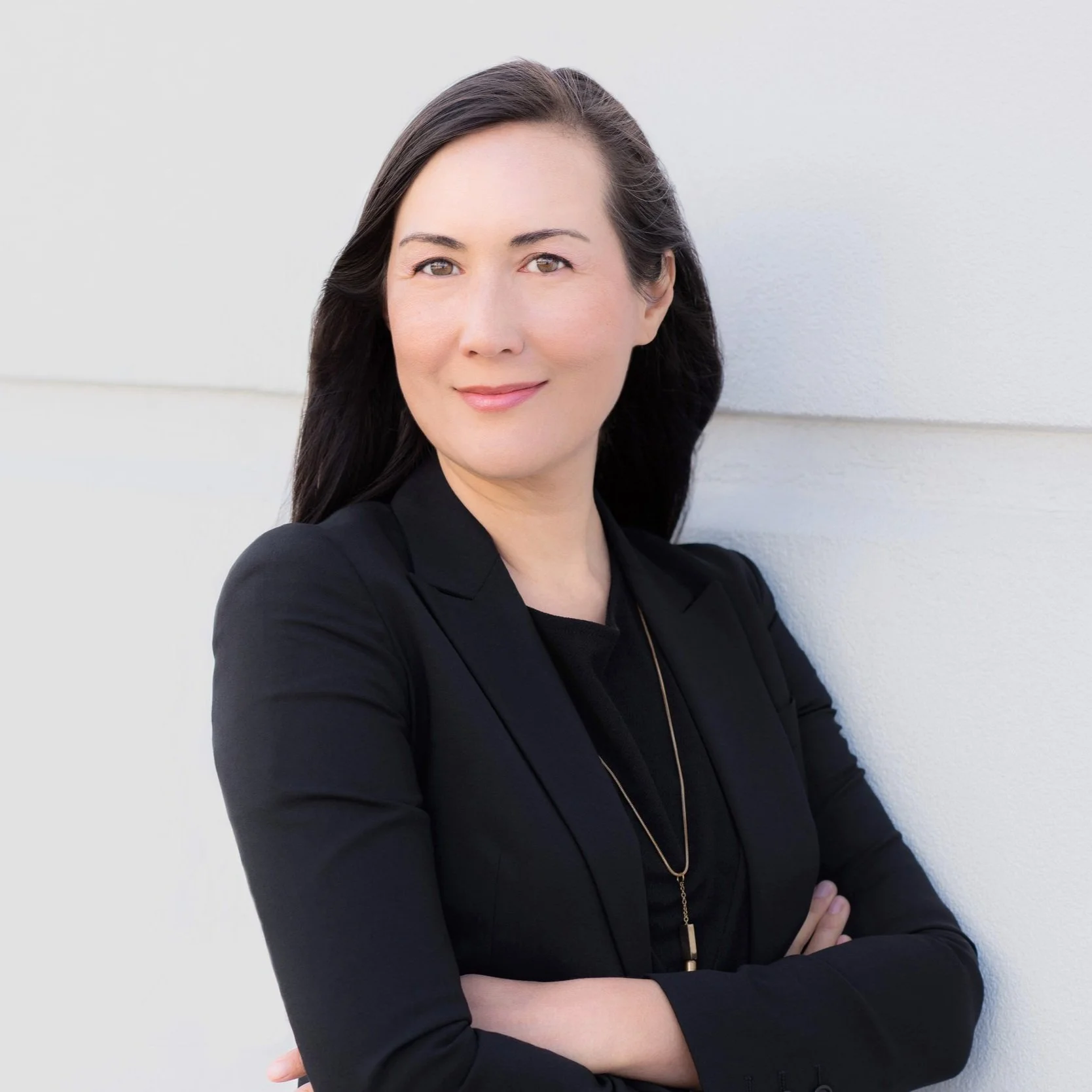
Rina Bliss
SCIENCE, TECHNOLOGY AND POLICY ANALYST
EDUCATION & SOCIAL JUSTICE ADVOCATE
AUTHOR
SPEAKING FEE: $7,500 - $10,000
EXCLUSIVE
Meet Rina
Thought-leader on the sociology of new genetic sciences
Author of Rethinking Intelligence: A Radical New Understanding of Our Human Potential
Featured in NPR, New York Times, and ABC News
Rina Bliss is a professor of Sociology at Rutgers University and award-winning author who researches the personal and social significance of new genetic sciences. Her work centers at the intersection of sociology, psychology, and technology, offering a full-spectrum understanding of how our social worlds shape our personal worlds, affecting the health and quality of our lives.
Rina’s most recent book What’s Real About Race? Untangling Genetics, Science, and Society shares a myth-busting exploration of race and genetics, arguing that race isn’t a mere social construct, but rather a social reality.
She is also the author of Rethinking Intelligence: A Radical New Understanding of Our Human Potential, which tells us what we should know about the new science of intelligence and how best to use that knowledge. With a drive to sequence people for genetic markers associated with IQ, cutting-edge research into how our genes respond to our environments shows us that hacking our DNA might not actually boost our brains. Rina gives us alternatives and a completely new outlook on the meaning of intelligence and asks the question: how would your life change if you could really thrive?
Rina is a member of the Human Genome Synthesis Project known as “GP-Write,” as well as the Finding Your Roots Genetics and Genealogy Project. She is an affiliate of UCSF and the UC Berkeley Center for Social Medicine, and is a consultant to public institutions like the National Academies of Science, Engineering and Medicine, California Academy of Sciences, Exploratorium, and Robert Wood Johnson Foundation.
Rina speaks to audiences all over the world about the politics of health, technology, education, and equality in the new millennium, presenting at organizations such as the American Association for the Advancement of Science, EU European Molecular Biology Lab, National Academies of Science, Engineering, and Medicine, National Institutes of Health, National Human Genome Research Institute, and Hastings Center. Her research has featured in international news media like East Asia Daily, German Public Broadcasting, La Presse, National Swedish Radio, NPR, and the New York Times, as well as radio and television programs like Bill Nye Saves the World, Radiolab, ABC News, and TED. Her work has been reported and published in a wide array of magazines and journals, such as the Chronicle of Higher Education, Zocalo, Scientific American, LeapsMag, Nature, Science, Technology Review, and WIRED. Rina is also the author of Race Decoded (Stanford University Press) and Social by Nature (Stanford University Press).
Rina holds a PhD in Sociology from the New School for Social Research, has held Postdoctoral Fellowships at Brown University BioMed and the Cogut Center for the Humanities and Social Sciences, and has received grants and fellowships from the Andrew Mellon Foundation, Howard Hughes Medical Institute, National Science Foundation, University of California Basic, Clinical, and Translational Sciences Program, and University of California Center for New Racial Studies, among others.
SPEAKING TOPICS
-
Ever wondered where intelligence comes from? Traditionally, we’ve looked to IQ tests to see how we measure up, but today, business gurus and tech giants are bringing us new DNA tests and intelligence apps that supposedly hack our intelligence from deep within. At the same time, advances in neuroscience are showing us that there is more to intelligence than an IQ test or even our DNA makeup can convey. Our bodies are constantly responding to stressors in our environment, powering down healthy genes while powering up unhealthy ones, and encouraging mental degeneration instead of regeneration as we move through our day. In this talk, Dr. Rina Bliss breaks down the science of our genes so that audiences can learn how to truly nurture their human intelligence – in the classroom, in the workplace, or in the boardroom – and optimize their potential to succeed. Participants will walk away with practical strategies to harness the full spectrum of their intelligence, empowering them to thrive in every aspect of life.
-
AI is revolutionizing almost every aspect of our lives – the way we do our jobs, treat diseases, create engaging content, and even teach our children. But while all of these advancements have the potential to improve society, without the oversight of human intelligence, they can lead to disaster. In this talk, Dr. Rina Bliss advocates for using the unique power of human intelligence, creativity, and emotional engagement to steward AI implementation. Rather than shun these advancements, Dr. Bliss will share insights into a balanced approach on AI usage, where AI is used as a tool to enhance efficiency while preserving the essential role of human guidance and decision-making in ways that empower human learning and combat inequality. With Dr. Bliss’s take on these revolutionary advancements in technology, the audience will take away a newfound hope in how, if implemented responsibly, AI can enhance our human potential rather than override it.
-
Decades of acclaimed academic and scientific research have influenced our world to think about human diversity and identity as things rooted in our genetics, found at the molecular level in our DNA. But when you talk to the scientists who conduct today’s studies, they know this is a fallacy. In a thought-provoking speech, Dr. Rina Bliss delves into the enduring issue of linking identity with DNA and intelligence. Dr. Bliss exposes today’s resurgence of old prejudices amid scientific advancements and calls for a deeper understanding of identity as a social reality rather than a genetic truth. She shares tips for applying this knowledge in the teams, organizations, and institutions where we live, learn, and work so that we can transform these spaces to become places of belonging for all.
FEATURED MEDIA